Why Environmental Chambers Need Winter Calibration in Ontario Facilities
PC Mechanical Services • November 17, 2026
Industrial and institutional testing facilities rely on absolute precision to meet strict quality control standards. At PC Mechanical Services, we know that environmental test chambers are highly sensitive to the surrounding environment. As Ontario moves into the colder months, the ambient conditions inside large warehouses and manufacturing floors change significantly. These seasonal shifts directly impact the performance and accuracy of temperature and humidity testing equipment.
Failing to account for dropping facility temperatures leads to testing deviations and compromised product data. Many facility managers assume their testing equipment is isolated from the warehouse climate. The truth is that environmental chambers pull heat and expel exhaust into the surrounding room, making the external temperature a critical factor in their operation. Proper winter calibration ensures these units maintain exact specifications regardless of how cold the building gets.
In this article:
- Ambient temperature impacts: How cold facilities alter chamber performance.
- Compressor strain: The mechanical stress of winter operation.
- Calibration timing: Why scheduling matters before the first deep freeze.
- Facility HVAC interaction: The relationship between rooftop units and indoor chambers.
How Ambient Cold Alters Chamber Performance
Environmental chambers like Thermotrons and Espec units use complex refrigeration and heating systems to simulate extreme conditions. These systems rely on a stable ambient temperature to reject heat efficiently. When a large industrial space in Pickering experiences a drop in ambient temperature, the chamber condenser dynamics change. The refrigerant pressure drops, which can lead to sluggish cooling performance or an inability to reach the lowest temperature setpoints. This is a primary reason why environmental chamber calibration is essential as facility heating strategies shift for winter.
Facility HVAC and Chamber Interaction
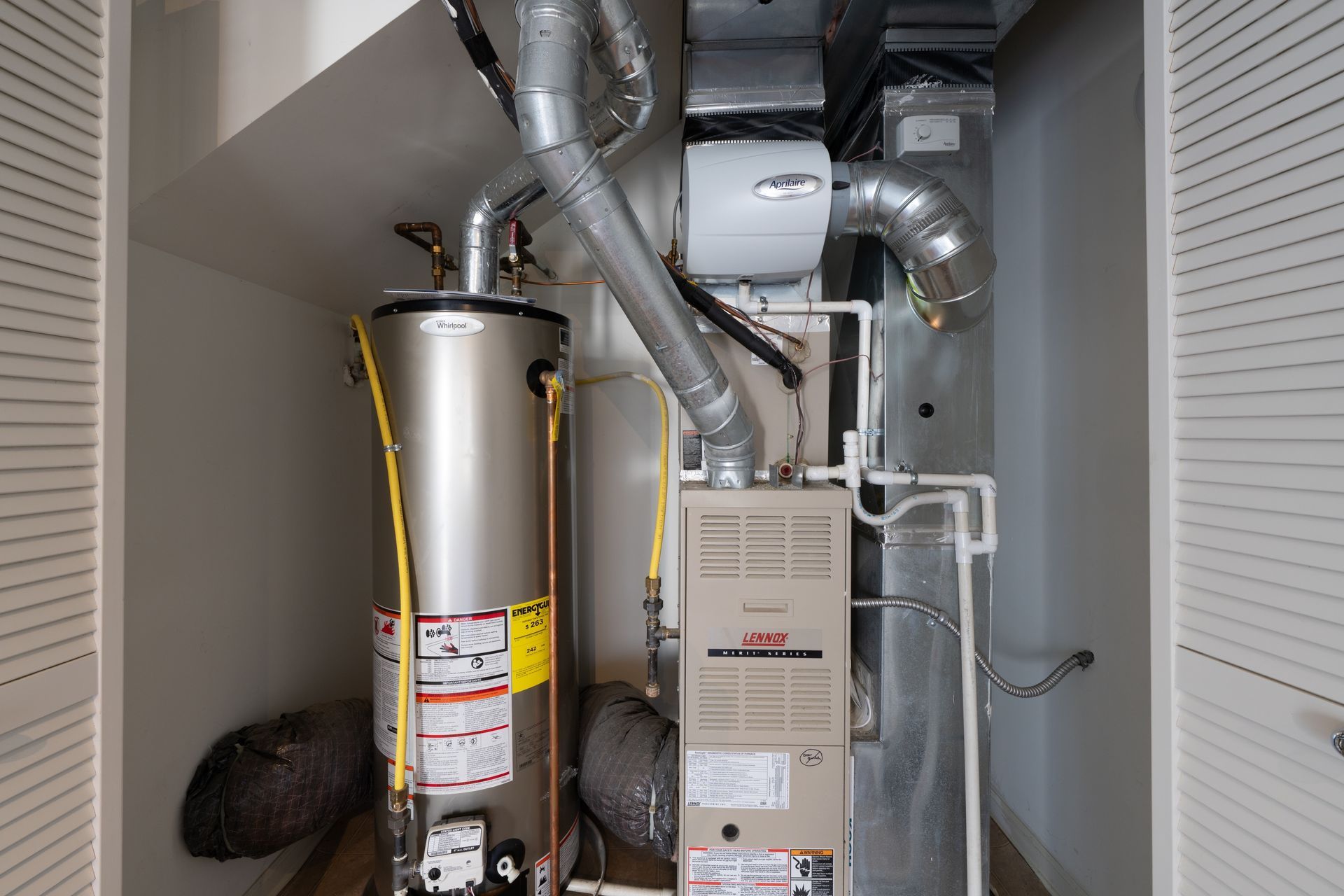
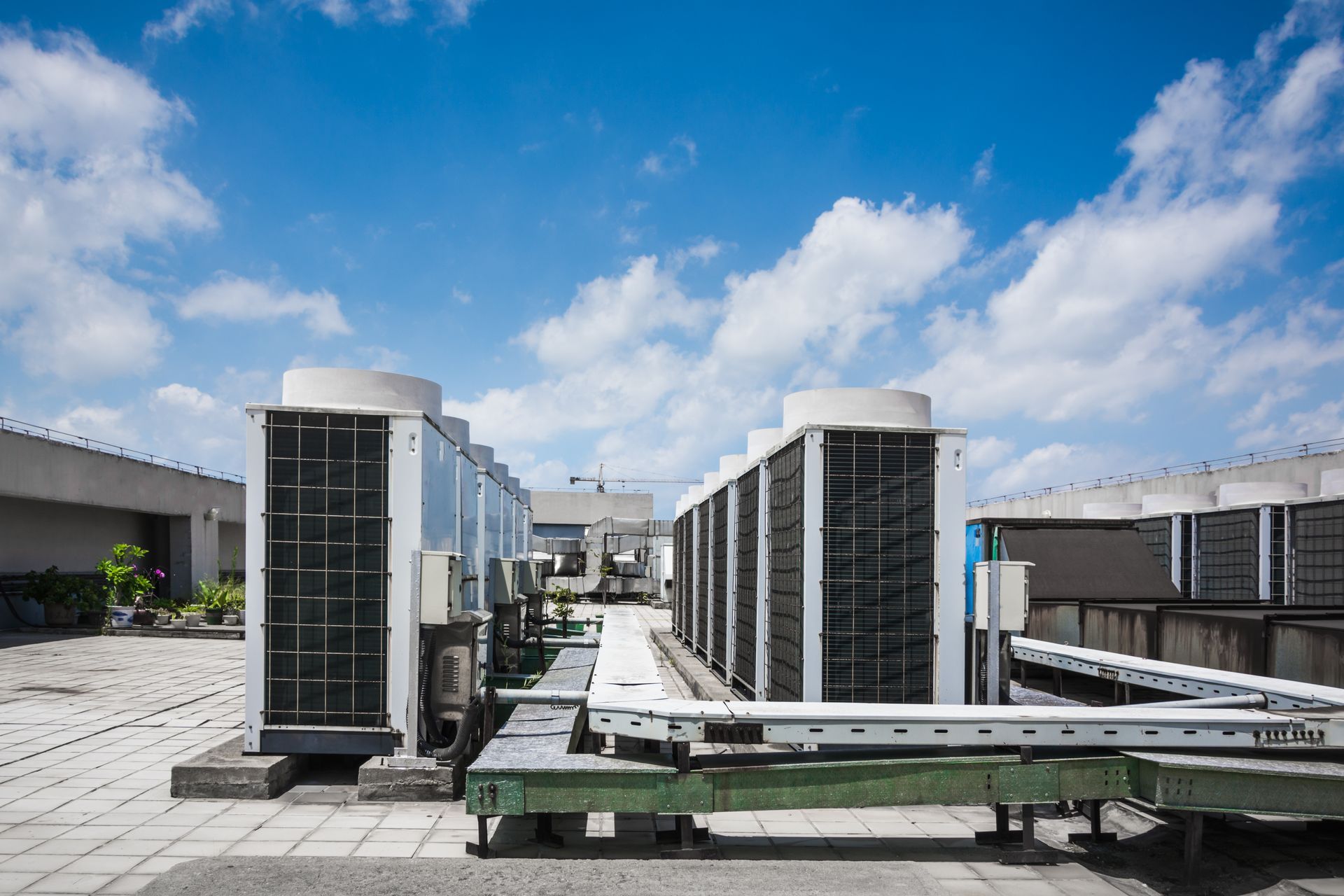
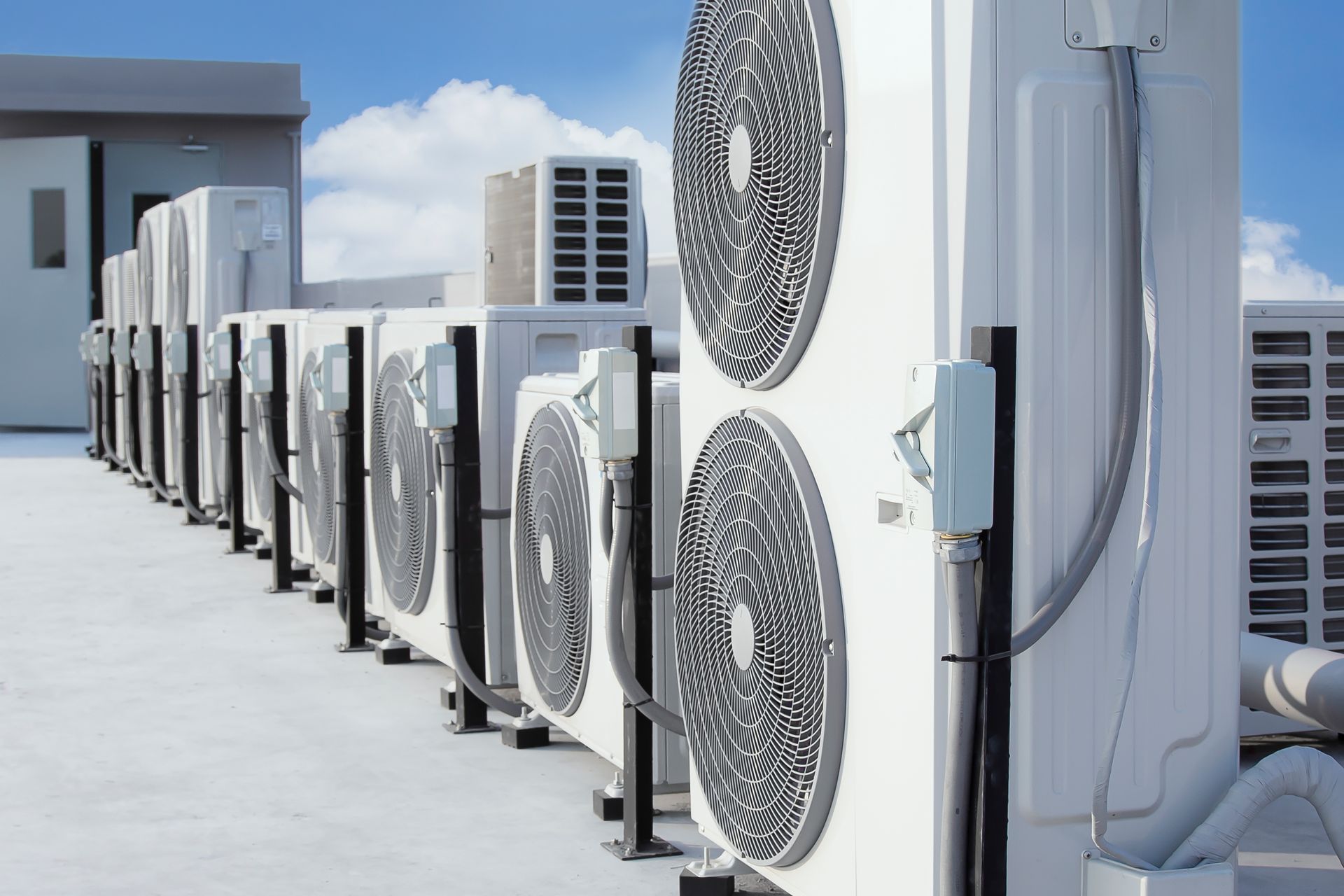
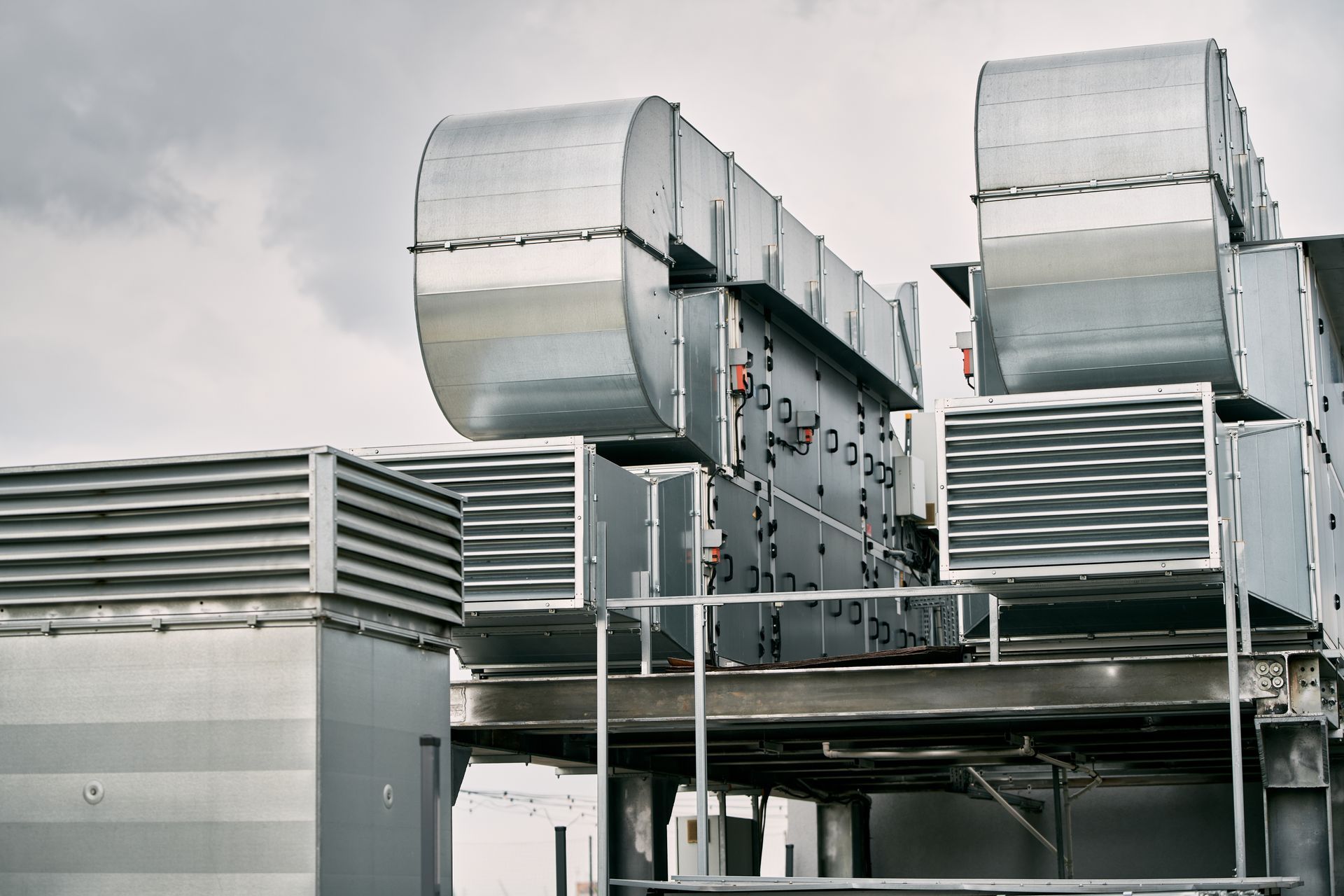
Testing chambers do not operate in a vacuum. They are constantly interacting with the commercial HVAC systems responsible for heating the building. If a commercial rooftop heating unit is underperforming, the temperature fluctuations on the testing floor force the environmental chambers to work harder to maintain their internal setpoints. The constant battle against a cold warehouse floor increases the workload on the chamber compressors and heating elements. Synchronizing your chamber calibration with your building seasonal HVAC maintenance provides a stable baseline for accurate testing.
The Mechanical Strain on Compressors
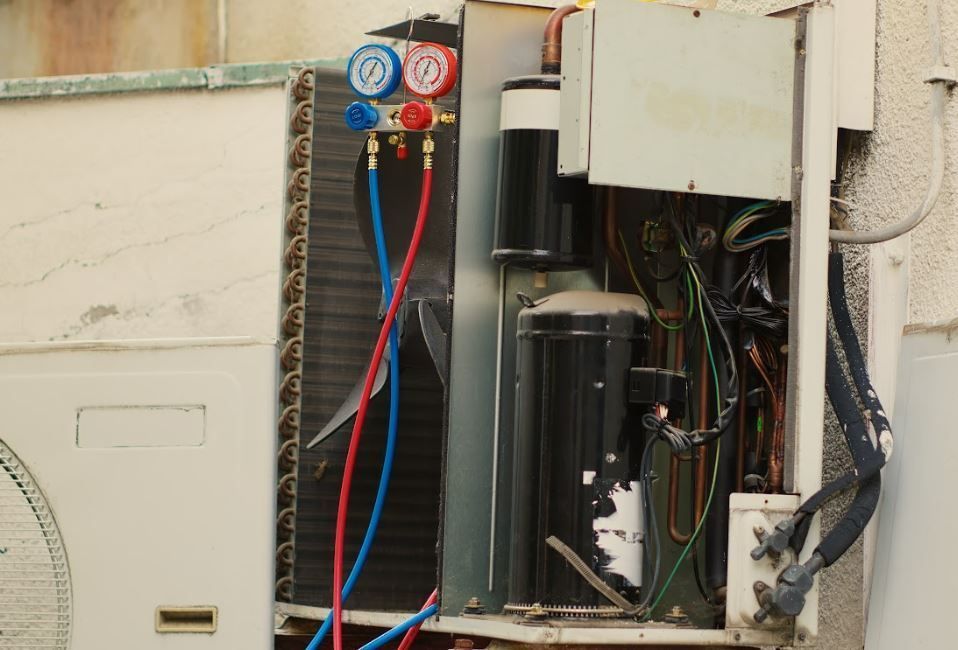
Commercial refrigeration units within environmental chambers rely on specific oil viscosities to keep the compressor lubricated. A significant drop in the surrounding room temperature can cause this oil to thicken. When a chamber cycles on in a cold environment, the thickened oil fails to coat the moving parts fast enough, leading to increased friction and mechanical wear. Adjusting the system parameters during a winter calibration accounts for these changes and protects the expensive internal components from premature failure.
Maintaining Consistent Humidity Controls
Humidity control is just as critical as temperature control for many institutional and industrial testing protocols. Winter air in Ontario is notoriously dry. As the building heating system runs, the ambient indoor humidity plummets. Environmental chambers equipped with humidity controls must work overtime to generate and maintain moisture in this arid environment. Calibrating the humidity sensors and inspecting the steam generators ensures the chamber can hit precise humidity targets without overflowing or burning out heating elements. We apply this same attention to detail when servicing walk-in boxes and chart recorders in institutional settings.
Scheduling Your Seasonal Service
Facility managers frequently ask how often should environmental test chambers be calibrated to maintain compliance. While most manufacturers recommend annual service, timing that service just before the major seasonal temperature shift offers the most mechanical benefit. Addressing calibration in late autumn prepares the equipment for the most stressful operating conditions of the year. It guarantees that any testing done in January or February is backed by accurate, verified sensor data.
Securing Precise Testing This Winter
Waiting until a chamber fails to reach its setpoint causes unacceptable delays in production and testing schedules. Proactive winter calibration protects your equipment and ensures the validity of your testing data. Schedule a calibration review with our specialized technicians to keep your critical chambers performing exactly to specification.
Share This Blog