Why Institutional Heating Needs Full Inspection Before November
PC Mechanical Services • October 20, 2026
Facilities running large scale boiler systems face unique challenges as the deep cold approaches. Finding out your primary heat source is compromised during the first freeze of the year puts your entire building at risk. At PC Mechanical Services, we prioritize institutional heating inspection timing to catch mechanical faults before the severe Ontario weather hits. Getting your equipment checked in late October is the only way to guarantee a safe and compliant winter.
Delaying service on high-capacity commercial heating equipment is a massive liability for property managers. When a heavy boiler or rooftop unit goes down in November, securing replacement parts takes weeks while your facility sits freezing. Following a strict sequence of action items right now protects your structural assets and keeps your building occupants safe.
In This Article:
- Stage 1: Assess Current Mechanical Baselines
- Stage 2: Schedule Specialized Calibration
- Stage 3: Protect Against Winter Freezes
- Frequently Asked Questions
- Finalizing Your Facility Winterization
Stage 1: Assess Current Mechanical Baselines
The first step in any commercial preparation is logging exactly how the equipment performs before the extreme cold arrives. A visual walk around by your maintenance staff catches obvious leaks and physical damage that developed over the summer shutdown.
• Pressure Checks: Record the resting and operating pressures on all primary boiler gauges to spot early drops.
• Visual Inspection: Look for rust trails around the heavy heat exchangers and exhaust flues that indicate chronic moisture problems.
• Sound Audits: Listen to the large circulation pumps for any whining or grinding that points to failing internal bearings.
Stage 2: Schedule Specialized Calibration
Institutional heating requires far more than a basic filter change. You need a dedicated mechanical contractor to test the safety limits and adjust the heavy fuel mixture for maximum winter efficiency.
• Combustion Testing: Book a technician to measure the flue gases and tune the burner for a clean and efficient flame.
• Sensor Calibration: Have the low water cutoff switches and high limit controls physically tested to ensure they trigger correctly.
• Zone Balancing: Request a full check of the building automation system to verify all pneumatic valves and dampers are responding to the main hub.
Reliable technical support is essential when you are managing complex institutional machinery. It is a pattern the team at PC Mechanical Services hears regularly from property managers who need fast results.
► Client Experience: Have had lots of work done by PC Mechanical and they've been nothing but professional and courteous each and every time. Reasonably priced, super quick response, very knowledgeable. Would recommend them in a heartbeat, commercial or residential!
Responding quickly with the right technical knowledge keeps your commercial spaces operational without unnecessary delays.
Stage 3: Protect Against Winter Freezes
Once the main heating plants are calibrated, the final stage is protecting the vulnerable piping and exterior components. A single frozen pipe in an unheated mechanical room can cause thousands in water damage overnight.
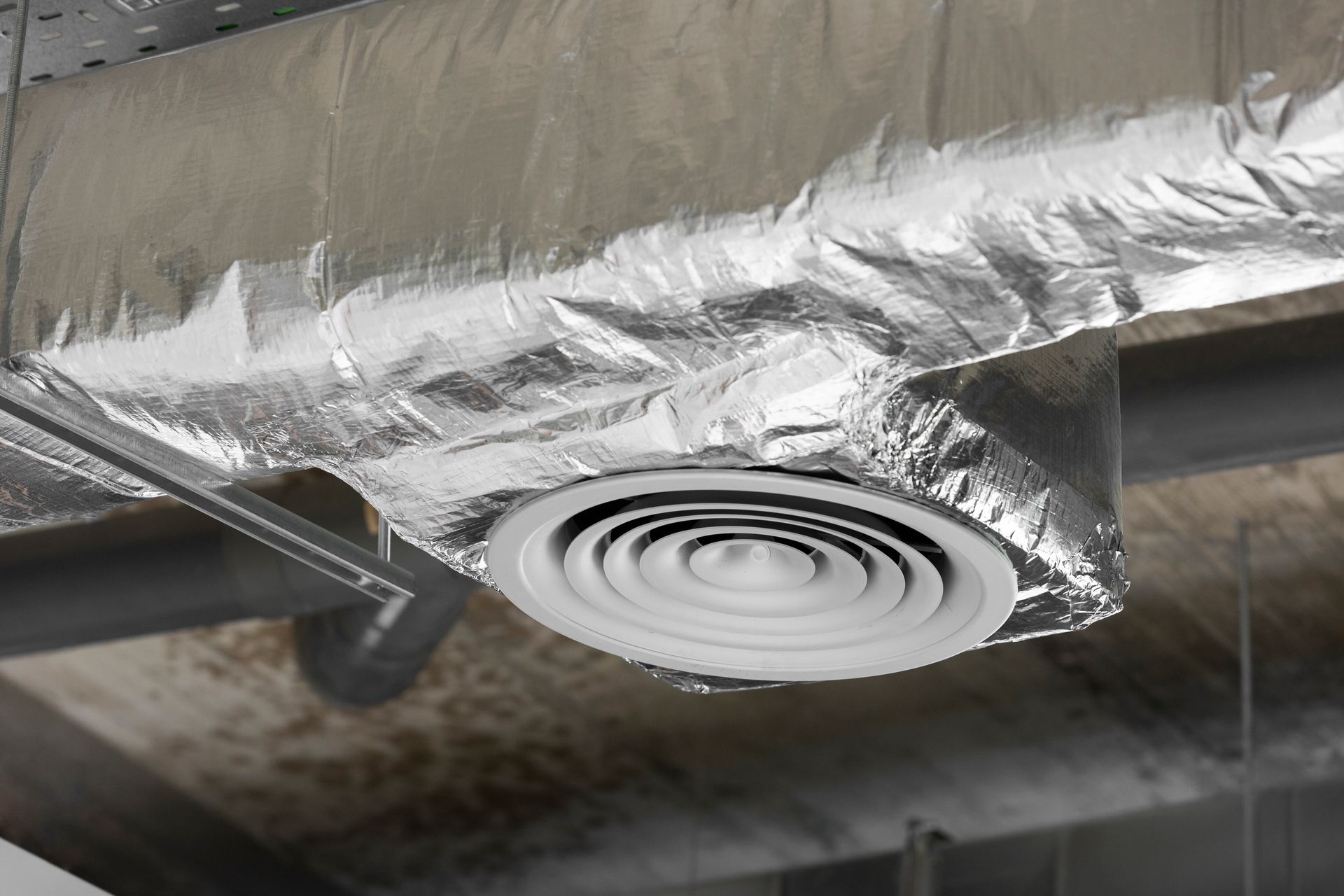
• Insulation Wrap: Verify that all exposed hydronic lines near exterior walls or fresh air intakes are heavily insulated.
• Damper Function: Check that the fresh air economizers close fully when powered down so freezing air does not blow directly onto water coils.
• Chemical Ratios: Test the glycol concentration in the chilled water loops to ensure the liquid cannot freeze during an extreme temperature drop.
► Failing to test your boiler safety limits before November dramatically increases the risk of a catastrophic vessel rupture under heavy winter loads.
Frequently Asked Questions
What happens if an institutional boiler misfires?
A misfire in a large boiler means unburned fuel is accumulating inside the combustion chamber. If this raw fuel ignites suddenly, it creates a minor explosion called a hard start that physically damages the refractory brick and internal vessel. A professional technician must tune the ignition sequence to ensure a smooth and immediate burn on every cycle.
How long does commercial boiler maintenance take?
A thorough inspection and calibration of a commercial heating plant typically takes several hours per unit depending on the capacity. The technician must let the system cool, pull the heavy burners for cleaning, and then run it through a full heating cycle to test the high limit safeties. Scheduling this work in October ensures we have the uninterrupted time needed to do the job right.
Can I delay heating calibration until winter?
Pushing your service dates into November or December means you are operating heavy equipment without knowing if the primary safety switches actually work. By the time a failure happens, local supply houses are often completely out of specialty replacement parts. Securing a clean bill of health now prevents emergency shutdown orders from municipal safety inspectors.
Finalizing Your Facility Winterization
Taking action before the cold weather sets in protects your maintenance budget and your building infrastructure. Properly tuned equipment burns less fuel and avoids the massive expense of emergency overtime repairs. Contact our dispatch team today to schedule your institutional inspection and lock in your specialized service date.
Share This Blog