Why GTA Furnaces Short Cycle During Early Winter (And How to Fix It)
PC Mechanical Services • November 4, 2026
The first real cold snap in Ontario often brings an immediate spike in heating calls. At PC Mechanical Services, we notice a specific pattern when temperatures drop in late autumn. Homeowners start hearing their heating systems turn on, run for just a few minutes, and shut off abruptly. This rapid stopping and starting is known as furnace short cycling.
Dealing with a furnace that refuses to run a full cycle is frustrating and leaves rooms feeling drafty and cold. Many people assume this means the unit is completely broken and requires an expensive replacement. The reality is usually a specific mechanical or airflow restriction triggering safety sensors inside the unit.
What you will find below:
- Airflow restrictions: How dirty filters cause overheating.
- Thermostat issues: The impact of poor placement and calibration.
- Flame sensor failures: Why dirty sensors shut down the burner.
- Oversized units: The problem with too much heating capacity.
The Primary Cause of Furnace Short Cycling
If you are wondering why does my furnace keep turning on and off, the most frequent culprit is restricted airflow leading to overheating. Modern heating systems are built with internal safety switches designed to prevent fire hazards. When a furnace cannot push hot air into the ductwork fast enough, the internal temperature rises rapidly. The high limit switch detects this dangerous heat level and shuts the burner down immediately. Once the metal cools a few minutes later, the system tries to restart the cycle.
Airflow Blockages People Get Wrong
Most people know they should change their air filter. They often forget that high-MERV pleated filters can restrict airflow just as much as a dirty one. Using a filter designed for medical facilities in a standard residential HVAC setup forces the blower motor to work too hard. The resulting heat buildup triggers the high limit switch. Another common mistake is closing too many supply vents in unused rooms. Closing vents increases static pressure inside the ductwork, forcing the system to overheat and shut down prematurely.
Flame Sensor Malfunctions
The flame sensor is a thin metal rod sitting directly in the path of the burner flame. Its only job is to confirm that gas is actually burning. Over time, carbon buildup and oxidation coat this small component. When the thermostat calls for heat, the gas valve opens and the burners ignite. If the dirty sensor cannot detect the flame within a few seconds, it signals the control board to shut off the gas valve to prevent a dangerous gas leak. This creates a cycle where the furnace fires up briefly and then immediately goes quiet.
Thermostat Location and Calibration
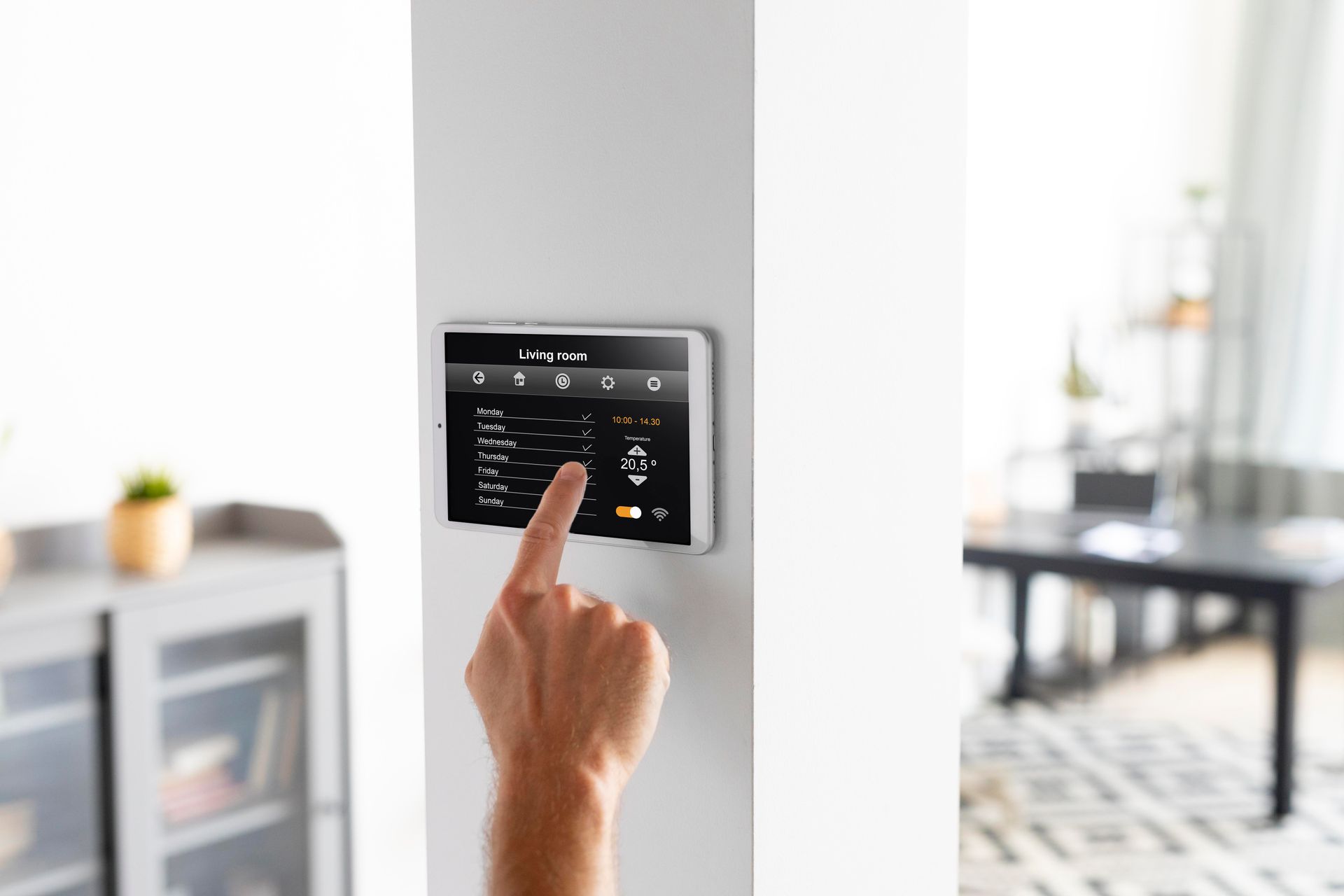
Sometimes the furnace itself is working perfectly, but it is receiving bad information. A thermostat mounted directly above a heat register or in the path of direct sunlight will register a false high temperature. It tells the furnace to shut off because it thinks the house is warm. Minutes later, the thermostat cools down to the actual room temperature and calls for heat again. Our residential heating system installation and repair teams see this issue frequently in older Ajax homes where renovations have altered the original layout.
When a heating or hot water issue strikes, fast and reliable service makes all the difference. We pride ourselves on showing up quickly and getting to the root of the problem without unnecessary delays.
► Client Experience: Quality guys! Water heater went down and no hot water for a day! Came the same day I contacted them, were very helpful and nice. Fixed my issue and said I can call back if anything comes up. - Jessica Moffatt
Knowing our customers feel supported even after the repair is complete is the standard we aim for on every call.
The Issue with Oversized Heating Units
A common misconception is that a larger furnace will heat a home better and faster. An oversized heating system pumps out too much heat too quickly. It warms the space rapidly, satisfying the thermostat in just a few minutes before shutting down. This prevents the system from running long enough to circulate air evenly, leaving cold spots throughout the house. An oversized unit will short cycle its entire lifespan, leading to cracked heat exchangers and premature motor failure. Regular preventative maintenance helps identify these wear patterns before they cause a total breakdown.
Resolving Rapid Cycling Issues Early
Ignoring a furnace that starts and stops too quickly guarantees higher utility bills and a shorter lifespan for your equipment. Identifying the root cause early prevents minor airflow problems from turning into a cracked heat exchanger. Contact our team to diagnose your heating system and restore proper function before deep winter arrives.
Share This Blog