Labour Day Commercial HVAC Prep: Stop Standby Cooling Issues
PC Mechanical Services • August 19, 2026
Shutting down a commercial building for the long Labour Day weekend requires more than just locking the doors. In offices across Ontario, improper temperature management during closed days often results in damp air and strange odors by Tuesday morning. At PC Mechanical Services, we help property managers configure their commercial HVAC weekend standby settings to protect the building while it sits empty. A few simple adjustments will maintain indoor air quality and prevent unexpected mechanical failures.
Walking away from a running system without checking the baseline functions is a common facility mistake. Even when the property is vacant, the cooling equipment must manage the heat load from solar gain and running electronics. Setting the right parameters stops the equipment from short cycling and reduces unnecessary wear on the blower motors. Follow these steps to prepare your mechanical systems before the holiday begins.
What We Cover:
- Tip 1: Configure Your Commercial HVAC Weekend Standby Settings
- Tip 2: Clear Drain Lines to Prevent Weekend Floods
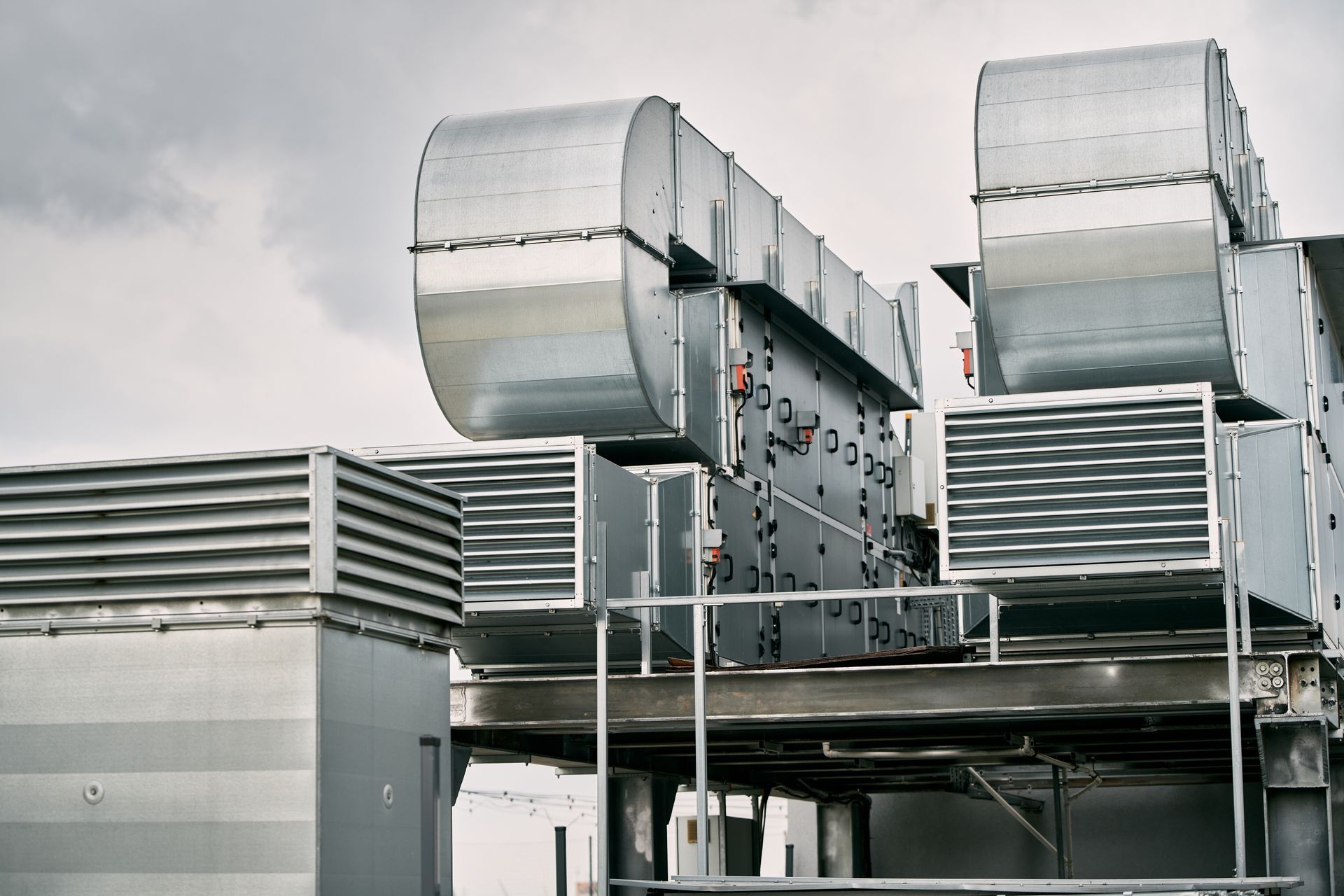
- Tip 3: Cycle Rooftop Exhaust Fans to Purge Stale Air
- Tip 4: Monitor Server Room Cooling Separately
- Frequently Asked Questions
- Securing Your Building Before the Break
Tip 1: Configure Your Commercial HVAC Weekend Standby Settings
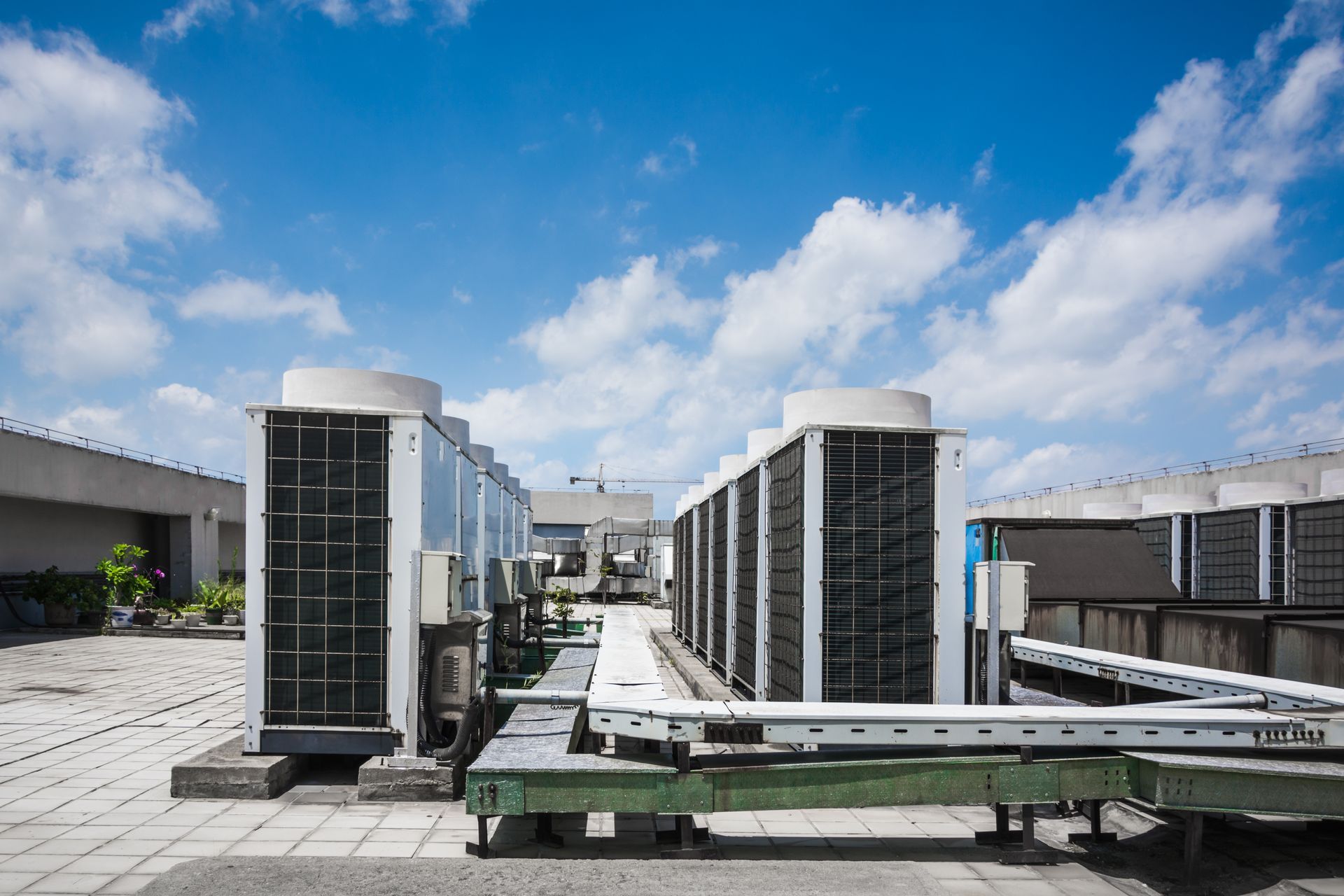
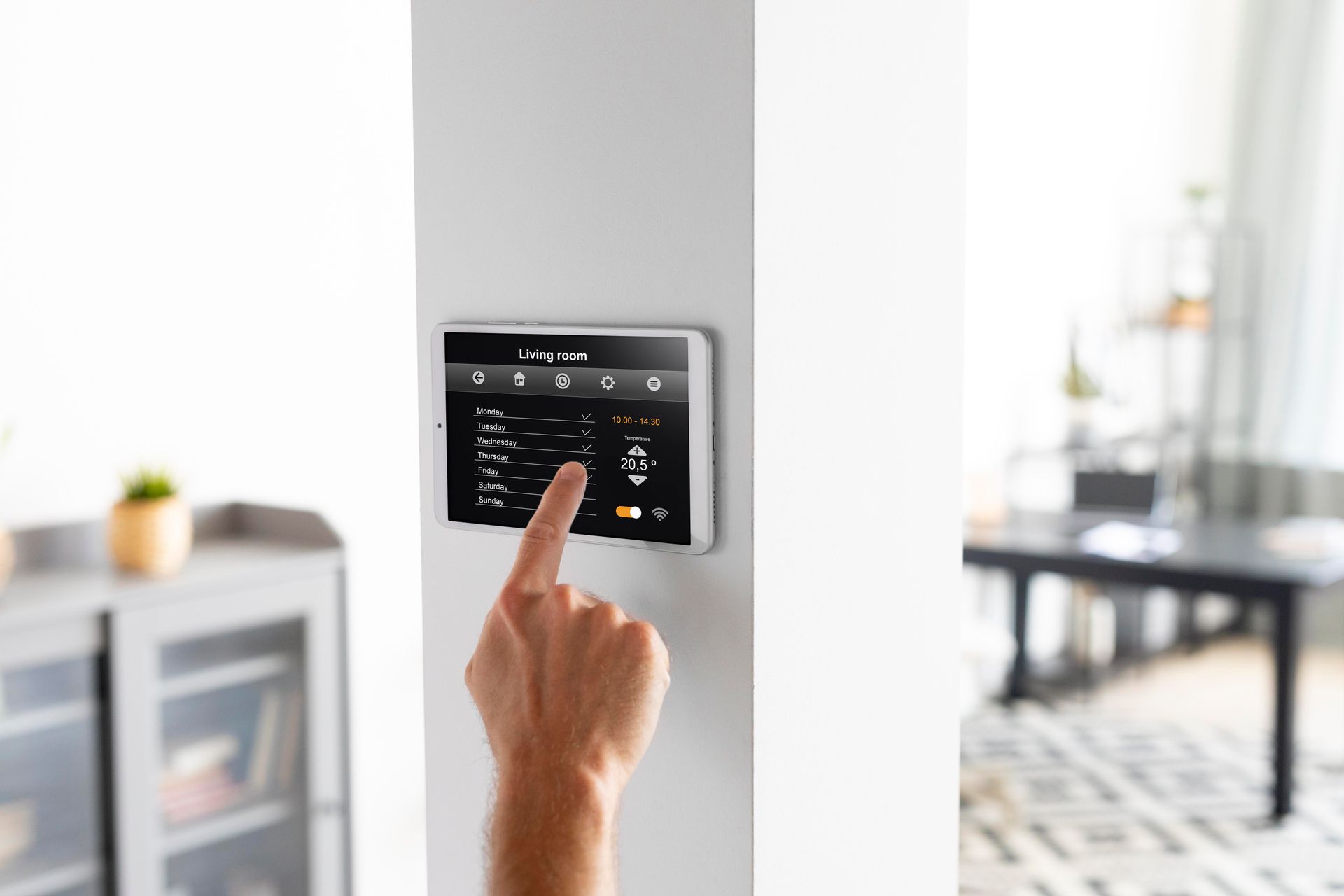
Completely turning off the rooftop units to save power over the long weekend is a costly error. The building materials will absorb heat and moisture over three days, requiring the equipment to work twice as hard to recover the temperature when staff return. Adjusting the target temperature by a few degrees keeps the humidity in check while reducing energy consumption.
• Maintain Control: Keep the thermostat active to ensure the unit runs enough to extract ambient humidity.
• Gradual Recovery: Program the system to return to normal office temperatures several hours before the first shift arrives.
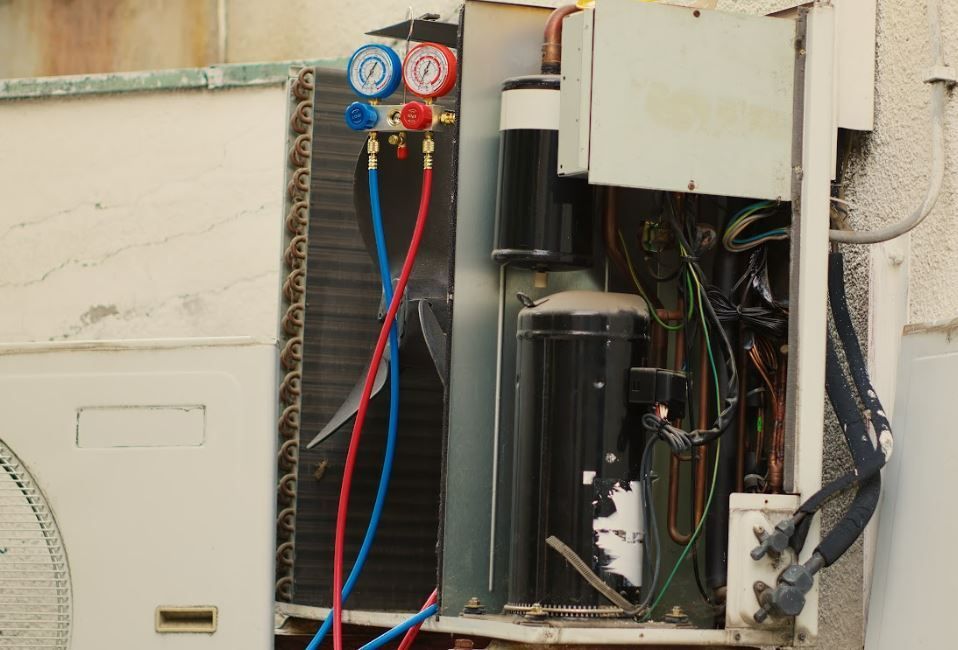
• Equipment Protection: Moderate run times prevent the compressor oil from settling and causing a dry startup.
Tip 2: Clear Drain Lines to Prevent Weekend Floods
Commercial cooling units generate gallons of condensate water during late summer operation. If a primary drain line clogs while the building is empty, the overflow pan will quickly fill and leak directly into the ceiling tiles below. A quick visual inspection of the drainage system prevents water damage from ruining an empty office space.
• Visual Inspection: Look for standing water in the rooftop unit drain pans before leaving on Friday.
• Algae Growth: Treat the pan with biocide tablets to stop organic buildup from plugging the drain trap.
• Secondary Traps: Confirm the backup drain lines are completely clear of debris and autumn leaves.
We handle these preventative checks regularly for commercial spaces to stop Monday morning surprises. This proactive maintenance gives property managers the peace of mind they need over a long break.
► Client Experience: Have had lots of work done by PC Mechanical and they've been nothing but professional and courteous each and every time. Reasonably priced, super quick response, very knowledgeable. Would recommend them in a heartbeat, commercial or residential!
Our focus is always on securing the mechanical equipment so your facility runs efficiently whether it is fully staffed or totally vacant.
Tip 3: Cycle Rooftop Exhaust Fans to Purge Stale Air
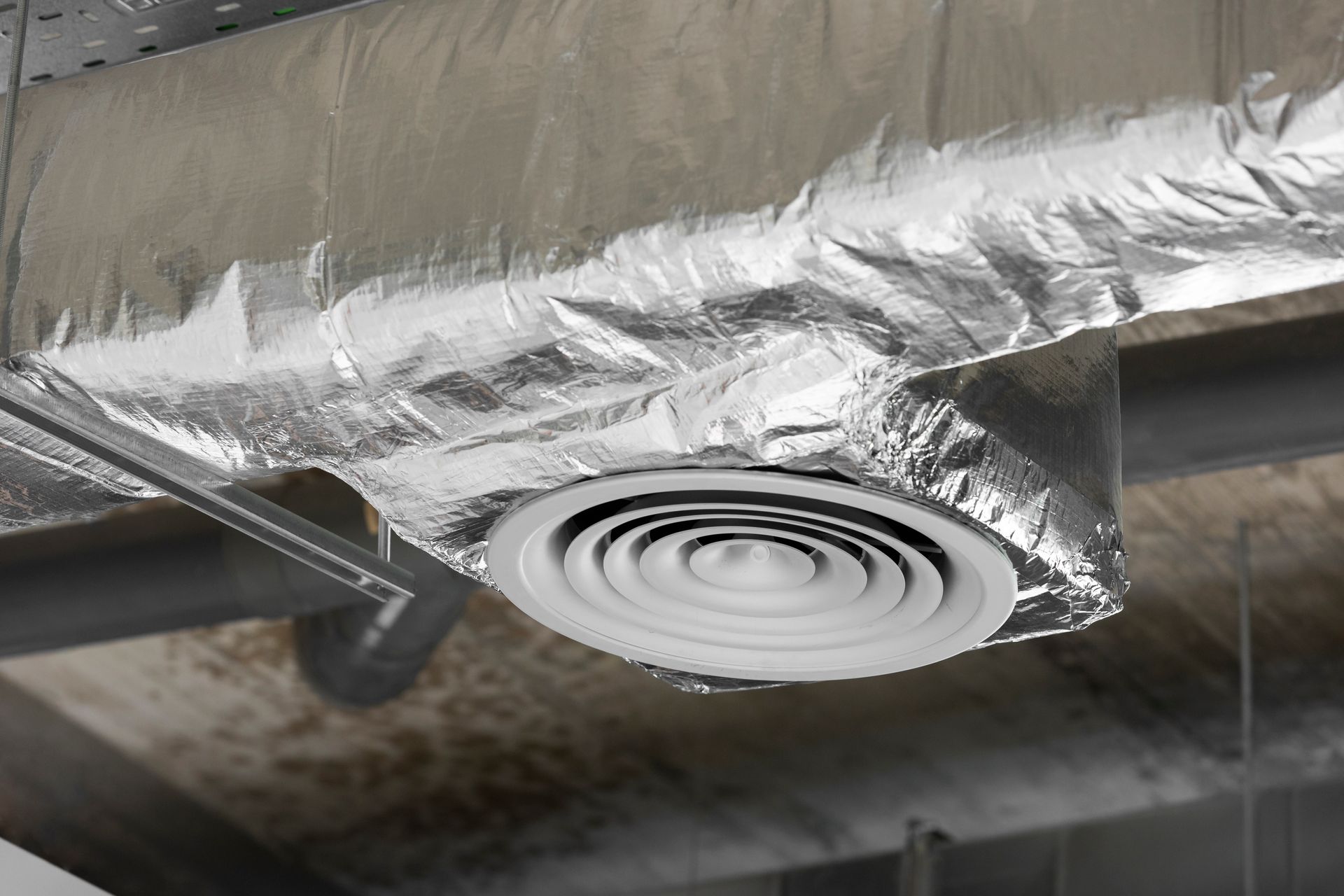
Modern commercial buildings are sealed tight to conserve energy, which means indoor air goes stale quickly when the main air handlers are dialed back. Without regular fresh air exchanges, off-gassing from carpets and office furniture builds up over the three days. Setting the economizers or exhaust fans to cycle periodically prevents that stale smell from greeting your staff.
• Damper Settings: Adjust the fresh air dampers to open briefly during the cooler morning hours.
• Air Exchange: Run the main blower fan independently of the cooling cycle to keep the air moving through the filters.
• Odor Prevention: Circulating the air stops volatile organic compounds from settling in closed conference rooms.
Tip 4: Monitor Server Room Cooling Separately
The central office cooling might be set back for the holiday, but the IT and server rooms still generate maximum heat loads. Tying the server room ductwork strictly to the main office thermostat is a recipe for catastrophic hardware failure. Dedicated split systems must remain at their exact operational set points regardless of the long weekend.
• Isolated Controls: Verify that the server room mini-split is operating on its own independent temperature sensor.
• Filter Checks: Swap out the filter on the dedicated IT cooling unit to ensure maximum airflow over the break.
• Alarm Verification: Test the high temperature alert system to ensure it notifies you if the independent unit fails.
Frequently Asked Questions
Should commercial HVAC run when empty?
Yes, commercial equipment must run intermittently even in an empty building to manage the indoor climate. Stopping the air circulation completely allows moisture to saturate the drywall and fosters mold growth inside the dark ductwork. Running the blower fan ensures the indoor air quality remains stable until normal operations resume.
How do I prevent office humidity over long weekends?
The most effective way to block humidity is to maintain a setback temperature that still triggers the cooling cycle during the hottest part of the day. As the refrigerant coil cools the air, it naturally extracts water vapor and sends it down the drain line. If you notice persistent dampness, your commercial unit may be oversized and short cycling before the extraction process finishes.
What is the best setback temperature for commercial cooling?
Setting the thermostat about four degrees Celsius higher than the standard occupied temperature provides an ideal balance of protection and efficiency. Pushing the setback any higher allows the thermal mass of the building to get too warm, meaning the system will burn excessive energy trying to cool down the concrete and furniture later. A moderate setback keeps the facility safe without straining the mechanical parts.
Securing Your Building Before the Break
Reviewing these settings on Friday afternoon guarantees you will not return to a hot, humid, or water-damaged office on Tuesday morning. Taking a few minutes to verify the drain lines and thermostat parameters protects the equipment and keeps your operating costs low. We are here to help calibrate your rooftop units and split systems for reliable weekend operation. Contact our office to schedule a commercial inspection before the next holiday closure.
Share This Blog